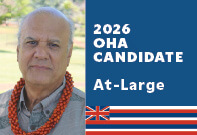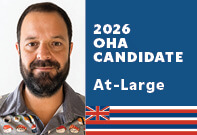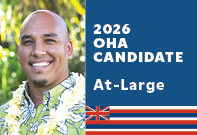
2026 Trustee At-Large Candidate
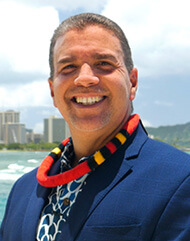
- Age – 48
- Occupation – Consultant Principal
- Where did you grow up – Waimānalo, Oʻahu
- Schooling – Kamehameha Schools; University of Hawaiʻi Mānoa
- Current residence – Waimānalo, Oʻahu
- Website – ikaika4hawaii.com
Write-in Responses
Question 1Question 2Question 3
OHA’s mission is to improve conditions for Native Hawaiians. What unique skills and/or experiences do you bring to this kuleana to help OHA fulfill its mission?
What is your understanding of the role of an OHA trustee and their kuleana within the agency and to the lāhui?
Share your manaʻo on the military’s use of crown and government lands in Hawaiʻi given the impending expiration of multiple military land leases and the fact that OHA derives an annual pro rata revenue share from the military’s use of those lands.
- I bring a unique combination of public policy, land use, and governance experience to OHA. During 11 years on the Honolulu City Council, including serving as council chair, I oversaw land use development policy, infrastructure planning, budgeting, and major public investments. That experience provides the ability to identify opportunities to maximize OHA’s land and financial assets for the direct benefit of OHA beneficiaries. OHA must be transparent, accountable, and focused on measurable results, with a strong emphasis on improving the quality of life for our beneficiaries. I’ll advocate for responsible stewardship of our cultural and natural resources while expanding opportunities for housing, education, economic self-sufficiency, healthcare, legal assistance, and other direct beneficiary services. The goal is to ensure OHA fulfills its mission by making decisions that honor our culture while improving beneficiaries’ quality of living for generations to come.
- An OHA trustee’s kuleana is to faithfully serve Native Hawaiian beneficiaries by providing responsible governance, sound fiscal oversight, and strategic leadership. Trustees have a fiduciary duty to protect and maximize OHA’s assets while ensuring every decision advances OHA’s mission of improving conditions for Native Hawaiians. That requires transparency, accountability, and measurable results. Trustees must also honor and perpetuate our culture by responsibly stewarding our lands and natural resources for future generations. Equally important is maintaining a strong focus on quality-of-life issues that directly affect beneficiaries, including housing, education, healthcare, economic opportunity, and legal assistance. An effective trustee listens to beneficiaries, collaborates with fellow trustees and community partners, and makes informed decisions that place the long-term interests of the lāhui above politics or personal agendas.
- OHA must have an active role at the decision-making table in every discussion involving military leases on state ceded lands. Native Hawaiian beneficiaries deserve more than consultation after decisions have already been made. The starting point must be an end to token $1 annual leases, with the understanding that continued military use of some parcels may be entirely unacceptable and inappropriate. OHA has a fiduciary duty to ensure public trust lands are managed responsibly and that beneficiaries receive fair value if any lands are used, while balancing cultural stewardship, environmental protection, the long-term interests of the lāhui, and national security.
Yes/No Questions
Question 1Question 2Question 3Question 4Question 5
Do you support mandatory federal consultation with the Office of Hawaiian Affairs on all federal actions and processes concerning Native Hawaiian affairs?
In light of major cuts to Native Hawaiian-serving programs and OHA’s finite trust resources, do you believe OHA should play a role in helping address resulting Native Hawaiian community impacts through advocacy, partnerships, or other mitigation strategies?
Should telescope/observatory development on Maunakea and Haleakalā be stopped at least until mismanagement and legal claims to summit lands have been resolved?
In its role as an asset manager, OHA currently utilizes funds to purchase land with particular cultural, historical or ecological importance for their protection and preservation as needed.
Do you believe OHA should continue investing in these legacy land acquisitions when it determines those investments meaningfully advance its fiduciary obligations and long-term benefits to Native Hawaiian communities, even alongside other pressing beneficiary needs?
Do you believe OHA should continue investing in these legacy land acquisitions when it determines those investments meaningfully advance its fiduciary obligations and long-term benefits to Native Hawaiian communities, even alongside other pressing beneficiary needs?
Should the U.S. military be prevented from live-fire training in Hawaiʻi – both on land and in the surrounding ocean? Do you believe OHA should actively challenge or seek changes to military training activities in Hawaiʻi when those activities are perceived to negatively impact Native Hawaiian trust interests, cultural resources, environmental health, or access to culturally significant lands and waters?
< Back to Candidates