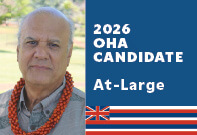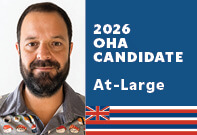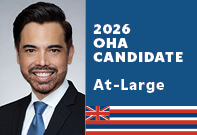
2026 Trustee At-Large Candidate
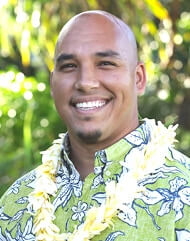
- Age – 41
- Occupation – OHA Trustee At-Large
- Where did you grow up – Kapolei, Oʻahu
- Schooling – Kamehameha Schools
- Current residence – Kapolei, Oʻahu
- Website – souzaforoha.com
Write-in Responses
Question 1Question 2Question 3
OHA’s mission is to improve conditions for Native Hawaiians. What unique skills and/or experiences do you bring to this kuleana to help OHA fulfill its mission?
What is your understanding of the role of an OHA trustee and their kuleana within the agency and to the lāhui?
Share your manaʻo on the military’s use of crown and government lands in Hawaiʻi given the impending expiration of multiple military land leases and the fact that OHA derives an annual pro rata revenue share from the military’s use of those lands.
- Serving the lāhui has been one of the greatest privileges of my life. I’d like to strengthen the way OHA serves Native Hawaiians through greater transparency, accountability, and responsible stewardship. As OHA trustee, vice chair of the board, and chair of the Investment and Land Management Committee, I bring leadership, sound judgment, and a collaborative approach to solving complex challenges. My background in business, real estate, and negotiations has helped me build partnerships and make informed decisions that balance cultural values with long-term financial sustainability. During my first term, I helped strengthen governance and responsibly steward the Native Hawaiian Trust Fund, which has grown to approximately $917 million, the highest balance in its history. I remain committed to protecting our trust resources, creating opportunities for Native Hawaiians, and ensuring future generations can live, work, raise their families, and thrive in Hawaiʻi.
- An OHA trustee’s role and kuleana is to be a trusted steward of the Native Hawaiian Trust Fund and a servant of the lāhui. That means making decisions that protect our resources, strengthen OHA as an institution, create housing and economic opportunities that will benefit Native Hawaiians and preserve our culture. It is about setting a clear vision, asking the difficult questions, and ensuring every decision reflects our fiduciary responsibility to the beneficiaries we serve. I understand the importance of balancing today’s needs with long-term stewardship. A trustee’s kuleana goes beyond the board room, it also requires us to be present in our communities. We must listen one-on-one, and in groups to our people, build relationships, and earn trust through transparency, accountability, and action.
- As a member of the Military Leased Lands Technical Advisory Group for leases expiring soon, Hawaiʻi has a once-in-a-generation opportunity to shape the future of these crown and government lands. OHA must ensure Native Hawaiian interests are fully represented, protect the Public Land Trust, and respect the cultural and environmental significance of these lands. By working collaboratively with state and federal partners, we can pursue outcomes that strengthen the trust and benefit future generations. OHA has not received its full pro-rata share from the Public Land Trust for decades. The legislature’s approval to release approximately $55 million in previously withheld Public Land Trust revenues, pending Gov. Green’s approval, is meaningful progress, but more work remains to ensure beneficiaries receive the revenues they are owed.
Yes/No Questions
Question 1Question 2Question 3Question 4Question 5
Do you support mandatory federal consultation with the Office of Hawaiian Affairs on all federal actions and processes concerning Native Hawaiian affairs?
In light of major cuts to Native Hawaiian-serving programs and OHA’s finite trust resources, do you believe OHA should play a role in helping address resulting Native Hawaiian community impacts through advocacy, partnerships, or other mitigation strategies?
Should telescope/observatory development on Maunakea and Haleakalā be stopped at least until mismanagement and legal claims to summit lands have been resolved?
In its role as an asset manager, OHA currently utilizes funds to purchase land with particular cultural, historical or ecological importance for their protection and preservation as needed.
Do you believe OHA should continue investing in these legacy land acquisitions when it determines those investments meaningfully advance its fiduciary obligations and long-term benefits to Native Hawaiian communities, even alongside other pressing beneficiary needs?
Do you believe OHA should continue investing in these legacy land acquisitions when it determines those investments meaningfully advance its fiduciary obligations and long-term benefits to Native Hawaiian communities, even alongside other pressing beneficiary needs?
Should the U.S. military be prevented from live-fire training in Hawaiʻi – both on land and in the surrounding ocean? Do you believe OHA should actively challenge or seek changes to military training activities in Hawaiʻi when those activities are perceived to negatively impact Native Hawaiian trust interests, cultural resources, environmental health, or access to culturally significant lands and waters?
< Back to Candidates