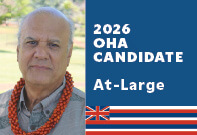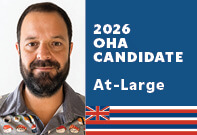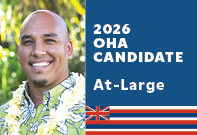
2026 Trustee At-Large Candidate
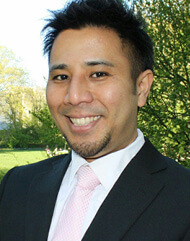
- Age – 43
- Occupation – OHA Trustee At-Large Candidate
- Where did you grow up – Waiʻanae, Oʻahu
- Schooling – ʻAiea HS; LCC; Air Force College; UH Mānoa; Central Michigan U
- Current residence – Waiʻanae, Oʻahu
- Website – shelbybillionaire.com
Write-in Responses
Question 1Question 2Question 3
OHA’s mission is to improve conditions for Native Hawaiians. What unique skills and/or experiences do you bring to this kuleana to help OHA fulfill its mission?
What is your understanding of the role of an OHA trustee and their kuleana within the agency and to the lāhui?
Share your manaʻo on the military’s use of crown and government lands in Hawaiʻi given the impending expiration of multiple military land leases and the fact that OHA derives an annual pro rata revenue share from the military’s use of those lands.
- I bring a lifelong commitment to public service, community advocacy, and civic engagement. I have spent years attending government meetings, submitting testimony, researching public policy, and helping community members navigate issues affecting their daily lives. I am not a career politician. I am a grassroots advocate who believes OHA must remain accountable, transparent, and accessible to its beneficiaries.
My strength is listening. Whether in urban Honolulu or rural communities across Hawaiʻi, people want to be heard and respected. I will bring an independent voice, a willingness to ask difficult questions, and a commitment to ensuring OHA’s resources are managed responsibly for both present and future generations. - An OHA trustee is both a fiduciary and a servant leader. Trustees are responsible for protecting trust assets, establishing policy, providing strategic direction, and ensuring OHA fulfills its mission to improve conditions for Native Hawaiians.
Trustees must think beyond election cycles and focus on long-term outcomes in housing, education, health, economic stability, culture, and stewardship of ʻāina. Equally important is maintaining regular communication with beneficiaries, listening to community concerns, and ensuring decisions are guided by transparency, accountability, and aloha for the lāhui. - The discussion surrounding military use of crown and government lands must balance cultural, environmental, economic, and national security considerations. Any future agreements should include meaningful consultation with Native Hawaiian beneficiaries, strong environmental protections, accountability for stewardship obligations, and fair compensation for the use of trust lands.
The people of Hawaiʻi deserve transparency regarding lease terms, land conditions, remediation responsibilities, and long-term impacts. OHA should advocate for the protection of cultural resources and ensure that decisions involving trust lands prioritize the interests of beneficiaries while considering the broader needs of our islands and future generations.
Yes/No Questions
Question 1Question 2Question 3Question 4Question 5
Do you support mandatory federal consultation with the Office of Hawaiian Affairs on all federal actions and processes concerning Native Hawaiian affairs?
In light of major cuts to Native Hawaiian-serving programs and OHA’s finite trust resources, do you believe OHA should play a role in helping address resulting Native Hawaiian community impacts through advocacy, partnerships, or other mitigation strategies?
Should telescope/observatory development on Maunakea and Haleakalā be stopped at least until mismanagement and legal claims to summit lands have been resolved?
In its role as an asset manager, OHA currently utilizes funds to purchase land with particular cultural, historical or ecological importance for their protection and preservation as needed.
Do you believe OHA should continue investing in these legacy land acquisitions when it determines those investments meaningfully advance its fiduciary obligations and long-term benefits to Native Hawaiian communities, even alongside other pressing beneficiary needs?
Do you believe OHA should continue investing in these legacy land acquisitions when it determines those investments meaningfully advance its fiduciary obligations and long-term benefits to Native Hawaiian communities, even alongside other pressing beneficiary needs?
Should the U.S. military be prevented from live-fire training in Hawaiʻi – both on land and in the surrounding ocean? Do you believe OHA should actively challenge or seek changes to military training activities in Hawaiʻi when those activities are perceived to negatively impact Native Hawaiian trust interests, cultural resources, environmental health, or access to culturally significant lands and waters?
< Back to Candidates