Read this article in ʻŌlelo Hawaiʻi
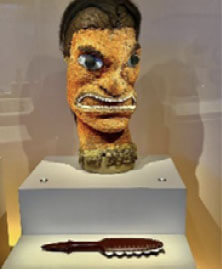
There is a new exhibition at British Museum called “Hawaiʻi: A Kingdom Crossing Oceans.” For this exhibition, Hawaiian treasures from various British collections were assembled: feather capes, tapa, feathered standards, weapons, and various others, some rare and precious. These treasures were collected by Europeans who visited Hawaiʻi such as Captains Cook and Vancouver. Other treasures were gifted by King Liholiho on his trip in 1824 to seek an alliance with Britain.
The importance of this new exhibition is not just what is displayed, although each exhibit is wondrous, but the process of collaborating with Native Hawaiians who have intimate knowledge of the treasures.
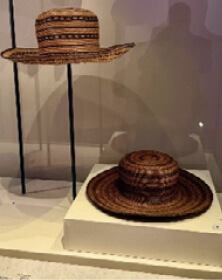
In addition, the display of ancestral pieces alongside contemporary items by Hawaiian descendants is incredible indeed, like a hat woven by Haunani Sing along with a helmet woven by her husband, Kumulāʻau Sing. Also, there are small drums, lapaiki, that were carved by renowned carver Dennis Kanaʻe Keawe in the British showcase: Akeanaliʻi and Mr. Lapaiki are the names.
If you look at pictures of the opening downloaded to Facebook, there is one of a leiomanō made by ʻUmi Kai. There is also a figure thought to be a puppet. Auliʻi Mitchell, a teacher of Hawaiian puppetry, fashioned a kapa cloth skirt for it. The last treasure made by a descendant of these times is a standing image carved by the late renowned carver Rocky Jensen for Kekuaokalani. The statue has moveable arms and is similar to the standing images at Ahuʻena.
Much appreciation goes out to the British Museum for this new exhibit because we Hawaiians can once again see and connect with these Native Hawaiian treasures. In addition, mahalo also for inviting Hawaiian descendants to see, meet, and have conversations to tell the proper stories of the creations in the exhibition.
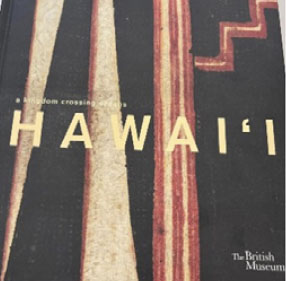
Thanks to Alice Christophe and her staff for assembling all the treasures that were documented in a book, Hawaiʻi: A Kingdom Crossing Oceans. Just as Native Hawaiians were invited to gift newly fashioned treasures, Christophe invited Hawaiians to write chapters for the book: Kauʻi Sai-Dudoit, Dennis Kanaʻe, Hina Kneubuhl, Kapulani Landgraf, Akoni Nelsen, Kalei Nuʻuhiwa, Haunani and Kumulāʻau Sing, and Haʻaililo Solomon are some of the Native writers in the book.
The collaboration between the British Museum and Native Hawaiian cultural experts shows a shift in the work of museums. They are no longer places where treasures are displayed as trophies from the era of exploration, but spaces reliant upon on Native people for their knowledge.