
By Michael Emmons
Many families in Hawaiʻi care for their kūpuna – balancing work, caregiving, and time with keiki. During the summer months – especially if families travel and must coordinate care of their kūpuna while they are away – it is important to plan ahead and ensure kūpuna continue receiving the support they need at home.
In many local families, caring for elders is rooted in mālama, kuleana, and the shared values of nohona Hawaiʻi: making sure our kūpuna are safe, comfortable, connected, and cared for within the home and community.
In our work with families, we see how challenging it can be to understand what “home care” means and what services are actually covered by insurance. Building health insurance literacy supports ʻohana in navigating benefits and accessing the right in-home supports. Assistance with bathing, dressing, cooking, or keeping the home clean can help someone remain safely in their own home rather than moving into a care facility.
Most major insurers cover home health services when they are medically necessary and ordered by a doctor. These services include skilled nursing care, physical therapy, occupational therapy, and speech therapy. Some plans may cover short-term home health aide services after a hospital stay or serious illness. In those cases, aides may assist with personal care such as bathing or dressing, but the care must be tied to a medical treatment plan supervised by a nurse or therapist.
However, ongoing help with everyday activities (custodial care) is different. This includes assistance with activities of daily living like bathing, toileting, meal preparation, transportation, and housekeeping. Most commercial health insurance plans do not cover long-term custodial care or chore services.
Medicaid in Hawaiʻi (Med-QUEST) may provide in-home support for people with disabilities or significant care needs. Some Medicare Advantage plans also include supplemental benefits that support limited in-home services.
The best way to understand your benefits is to check directly with your health plan:
- Log into your member portal. Most plans allow you to review benefits, claims, and coverage details online.
- Call customer service. Use the number on the back of your insurance card and ask about:
- Home health services
- Personal care or home health aide benefits
- Case management or care coordination
- Request written plan details. Ask for your Summary of Benefits and Coverage or the Evidence of Coverage for Medicare Advantage and Medicaid plans.
- Get your Primary Care Provider involved. Many plans require an order/referral from your provider, often your Primary Care Provider, or PCP, and documentation of medical need. When you find out what is covered by your plan, make an appointment with your PCP and ask for a referral.
Many health plans offer care managers who help families understand benefits and connect with services in the community. Knowing how to navigate health plans helps you advocate for your ʻohana and support kūpuna in staying safe, comfortable, and cared for at home — especially during seasons when family schedules, travel, and caregiving responsibilities may shift.
Disclaimer: This article is for general education and does not constitute insurance, legal, or medical advice. Coverage varies by plan and individual eligibility. Always confirm benefits with your health plan and your health care provider.
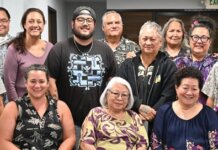
Michael Emmons is the Community Health Worker manager with Hui Mālama Ola Nā ʻŌiwi serving the island of Hawaiʻi.