
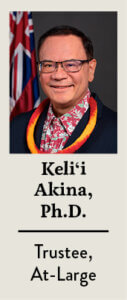
Every year I look forward to the release of the Hawaiʻi Perspectives Survey, sponsored by Pacific Resources Partnership. And every year, my enthusiasm turns to dismay as I read how disheartened my fellow Hawaiʻi residents are about the price of paradise. Many are so discouraged that they are considering leaving Hawaiʻi in search of affordable housing and competitive wages.
Hawaiʻi’s housing crisis is a pressing issue for everyone, but for Native Hawaiians, it’s a stark reality that’s been centuries in the making. The most recent Hawaiʻi Perspectives Survey highlights the state’s housing shortage, with 71% of all residents agreeing that Hawaiʻi should build more housing as quickly as possible. However, for Native Hawaiians, the issue is not merely about the numbers. It reflects generations of struggle to survive in their homeland.
The legacy of land dispossession has left Native Hawaiians with limited access to affordable housing, perpetuating cycles of poverty and homelessness. Native Hawaiians make up 42% of Hawaiʻi’s homeless population, despite comprising only 20% of the state’s population. The median household income for Native Hawaiians is $55,000, significantly lower than the state’s median income of $73,000.
The survey reveals that 75% of respondents agree that government red tape is a significant barrier to more housing, while 55% support increasing building heights in certain areas to create more housing.
The Hawaiian Homes Commission Act of 1920 promised 200,000 acres of land for Native Hawaiian homesteading, but decades of mismanagement and bureaucratic hurdles have left thousands on waiting lists. Today, over 23,000 Native Hawaiians are waiting for homestead leases, with some waiting up to 30 years.
The implications for Native Hawaiians go beyond housing alone. Not having a place to call home exacerbates existing social and economic disparities, threatening the very culture and identity of Native Hawaiians.
Solving Hawaiʻi’s housing crisis requires coordinated, intentional action. We must move beyond studies and commit to practical reforms that remove barriers, expand supply, and honor cultural responsibility. To turn concern into real progress, policymakers should pursue clear, workable solutions that can be implemented now and sustained over time. Here are some suggestions:
- Allow more homes to be built: Remove disincentives that discourage development, update affordability requirements, and support alternative construction methods, like modular housing, to lower costs.
- Cut permitting and regulatory barriers: Streamline the permit application process, reduce red tape, and set clear timelines.
- Reform the Hawaiian Homes Commission Act: Modernize administrative processes, increase infrastructure and construction funding, and prioritize long-waitlist beneficiaries so homesteading fulfills its original promise.
- Preserve cultural heritage: Integrate Native Hawaiian values into land use planning by protecting sacred sites and ensuring development strengthens, rather than erodes, community ties.
Lack of adequate housing is a problem for everyone in Hawaiʻi, and Native Hawaiians are the first and hardest hit by this reality. That’s why many are being forced to leave the place their ancestors called home.
Let’s not accept this as the price of living in paradise. The solutions are within reach, but they require our communities to speak out and our political representatives to do what is right. Let’s act now to remove barriers to building homes that all people can truly afford, and let’s honor our cultural responsibility to ʻāina and community. E hana kākou! Working together, we can create a rising tide that lifts every boat!

