Na Kainani Kahaunaele, Cody Pueo Pata, and Snowbird Puananiopaoakalani Bento
ʻOhuʻohu i ka ʻehukai
Me ka leo ʻoli o nā manu
I ka maka ʻōnohiʻula
Hui:
He pūnana, he nuʻa manu
He aloha, ua hoʻi mai
Pulupē i ka ua nui
I ka hao mai a ka Ulumano
Haʻukēʻukē ka hulu manu
Haʻukeke i ke anuanu
Hāliʻimoe one o ke kaiea
E hahani aku i ka hale manu
Huli ʻē ka lima i lalo
Ulu aʻe ke oho kāwelu
Kīkaha mai ke kaʻupu
Manu hehi ʻale o ka moana
He haliʻa lā, he haʻupu
I ke poʻi ʻaleʻale o nā nalu
Lei ana ʻo ʻAilana Hikina
I ka nani o ka pua nohu
ʻO Kaʻōhū kū haʻaheo
ʻO ke kāhela, ua ana ʻia
Holo ana i ke kai kuaʻau
Aniani aku i ke kai lulu
Halulu mai ke kai o waho
He nuʻanuʻa i ka palekai
Puana mai ke aloha
No nā moku o Pihemanu
Me ka leo ʻoli o nā manu
I ka maka ʻōnohiʻula
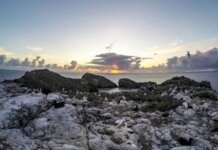
In December 2013, the Nuʻa Manu Traditional Hawaiian Communications Team traveled to Pihemanu, also known as Kuaihelani/Midway Atoll. On a whim of inspiration, Kainani threw out a challenge to the haku a mele ʻauana on the spot whilst enjoying themselves at a pāʻina held at the Midway House. Attending the pāʻina were the residents of Pihemanu and our group of 18.
Although no English translation is given, each paukū represents the daily happenings throughout our four-day stay. Paukū ʻekahi (na Pueo) describes our first day on island that began with a stunning sunrise greeting of Kānehoalani and the intensity of the wind moving over the surface of the sea. Even with the gusting winds, it was our first glimpse of mōlī soaring gracefully overhead.
Paukū ʻelua (na Snowbird) describes the rain-drenched tour we experienced after leaving our group orientation at the Visitor Center. It was quite a sight. The wind was whipping the rain as we rode around on our golf cart limos or visited various places on island. As much as we were being pelted by the icy rain, the manu seemed to be relaxed and continued sitting on their pūnana.
Paukū ʻekolu (na Kainani) describes our morning service project that we engaged in the following day. Under the guidance of Greg, a U.S. Fish and Wildlife biologist, a group of us planted kāwelu (Eragrostis variablis) in the sand around the old cable houses site. There were so many Bonin Petrol holes that we had to be careful not to fall in, for if we did, we would need to dig the hole out so that we would not trap a bird inside.
Paukū ʻehā (na Pueo) describes the time we had to take in the island and visit various sites like the western shore and the northern Kūkaehao (Rusty Bucket) area. The final paukū describes the group’s visit to Kalaumanu (Eastern Island) and diving at the outer reef (he pale koʻa a nā kūpuna).
Experience Pihemanu/Kuaihelani/Midway Atoll Live! Brought to you by the Friends of Midway Atoll, you can now view a live camera view of the island. Soon, the skies and land will be filled with returning mōlī who are preparing to nest. You might also be able to spot the other inhabitants of the island like the kaʻupu, koloa pōhaka, manuokū, kolea, ʻakekeke, koaʻe, makalena, and nunulu. E lohe ʻia ke kani aʻo Pihemanu!