Na Pelika Andrade
ʻO ka pōnaha iho a ke ao
ʻAu maila nā moku hoʻolewalewa
Aia ma ke kaʻe kapa o nā moku o Kanaloa
Nā papa kaha kua kea o Lono,
Kālewa ʻia nā manu e Kamoaʻe
Kaʻa loa nā ʻale o Kaiaulu
Hoʻolaukanaka i ka leo o nā manu
Ka manu kaʻupu hālō ʻale o ka moana
Me he ʻopihi paʻa lā
Paʻa iā loko
Paʻa iā waho
Paʻa i ka huli honua nei
Huli i ka lani a ola
Huli i ka honua a ola
Huli i ke kai hohonu a ola
A ola nō!
Puka mai he koʻa
He pūkoʻa kani ʻāina
Kani ka pihe o nā manu
Ka manu lau o Pihemanu
Ua ʻike ʻā
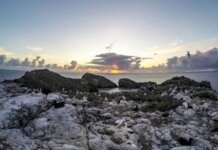
Out spreads now the dawn
The islets reach out to the sea
We are at the boundary’s edge of the islands of Kanaloa
The low white marked islands of Lono
The birds float along in the Kamoaʻe tradewinds
The deep ocean swells of this fruitful sea pass us by
Voices of the birds give the place a feeling of being inhabited
The kaʻupu bird that observes the ocean
We are like steadfast ʻopihi
Steadfast within
Steadfast without
Steadfast in the exploration of our foundation
The heavens are searched, and there is life
The Earth is searched, and there is life
The depth of the ocean is searched, and there is life
There is life indeed!
A coral is born
A coral that births an island
The cries of the birds are heard
The multitude of birds of Pihemanu
It is revealed
This mele was compiled and composed by Pelika Andrade with the 2008 Kūʻula: Traditional Marine Resource Management Cohort of UH Hilo. Over the semester that culminated in a two-week visit to Pihemanu, Kūʻula students explored how Native Hawaiian culture could be integrated into Western scientific research and management.
As has been done for millennia, we honor people, places, and events with mele. Before our huakaʻi, it was important to gift Pihemanu with a mele that would honor the place, document our visit, and help us remember the relationship we now share with our entire pae ʻāina. Like most Hawaiian mele, it weaves together the old and the new, acknowledging past references to the place and the kūpuna who continue to hold certain teachings.
This mele is one of many that have emerged over the past 20 years as more of our Hawaiʻi visit and add our stories to this very special place. It reminds us to remain steadfast within, without, and in our inquiries; that though we may be small, we can do big things. Ua ʻike ʻā … it is revealed.
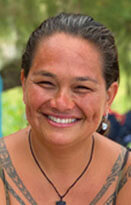
Pelika Andrade was born and raised on the island of Kauaʻi. She is an extension agent for the University of Hawaiʻi Sea Grant College Program, founder and executive director of Nā Maka Onaona, a Hawaiʻi-based nonprofit, and the current co-chair of the Papahānaumokuākea Native Hawaiian Cultural Working Group.