
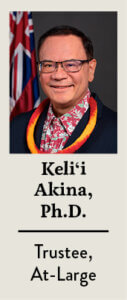
Hawaiʻi has long struggled with low voter turnout. Does that mean most people are satisfied with their government and the decisions made by elected officials?
The truth is that we do not know. Most registered voters chose neither to support nor oppose any candidate because they did not participate at all.
Of Hawaiʻi’s 846,543 registered voters, only 33.1% – a total of 280,442 – returned ballots in the 2026 primary election.
I am not judging those who did not vote or suggesting they are apathetic. I am simply pointing out that they did not participate.
People give many reasons for not voting. Some say voting is useless. They believe their vote will not make a difference because entrenched political powers ensure that incumbents or candidates from a particular party generally win.
Others say there are too few meaningful choices. In the 2026 election, five state senators and 14 state representatives faced no opposition from any party and were assured of election before the first vote was cast.
Still others say they do not know enough about the candidates. With limited news coverage of many local races – and few debates or opportunities to hear directly from candidates – voters may feel unprepared to make an informed decision. Rather than choosing someone they know little about, they leave the contest blank or do not return their ballot.
Non-participation is especially evident in elections for the Office of Hawaiian Affairs (OHA). In the 2026 primary, the 280,442 people who returned ballots could select as many as three candidates for OHA trustee-at-large. Of the 841,326 possible selections, 346,351 – or 41.2% – were left blank.
Again, my purpose is simply to acknowledge the reality of non- participation. Because ballots are secret and election results are not reported by ethnicity, we cannot determine precisely how many Native Hawaiian or non-Hawaiian voters participated in the OHA contest.
Some non-Hawaiians say they intentionally leave that portion of the ballot blank. Some Native Hawaiians abstain because they do not recognize the legitimacy of American statehood in Hawaiʻi. Others may feel disconnected from OHA or lack sufficient information about its candidates, responsibilities, and impact on beneficiaries.
Whatever their reasons, the result is the same: relatively few people determine who will oversee an institution entrusted with improving the conditions of Native Hawaiians.
So, does it matter that such a small part of Hawaiʻi’s population votes? I have two thoughts on this.
First, low voter participation has serious consequences for representative government. When only a fraction of our citizens vote, a small – and not necessarily representative – group determines who will make our laws and govern our communities. As a result, the broader will of the people may not be fully reflected, weakening the very foundation of democracy.
Second, on a practical level, low voter participation keeps the political status quo, perpetuating the high cost and low quality of living in Hawaiʻi. Just look at the conditions we face: a severe shortage of affordable housing, too few well- paying jobs, excessive regulation and taxation of local businesses, and limited access to medical care on the Neighbor Islands.
No wonder so many residents leave Hawaiʻi in search of greater opportunity. And that’s especially true of the majority of Native Hawaiians who now live on the mainland.
So, yes, it does matter whether we vote. For the upcoming general election, and all future elections, I encourage everyone to consider the power of your vote. Voting not only helps to preserve democracy, it helps to ensure that our conditions do not remain the same, and that we all have every opportunity to thrive. E hana kākou / let’s work together!

