
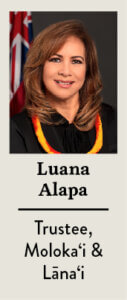
Beyond name recognition; vote thoughtfully for OHA trustees
Throughout Hawaiʻi’s history, Native Hawaiians have demonstrated a deep commitment to our communities, our ʻāina, and future generations. Civic participation has long been one way our people made their voices heard and protected the lāhui.
Today, the Office of Hawaiian Affairs (OHA) carries significant responsibilities through its nine elected trustees. Their decisions affect housing, education, health, cultural resources, economic opportunity, and the stewardship of Hawaiian trust assets. Voting in OHA elections is therefore one of the most meaningful ways to help shape our future.
But that vote should be based on more than name recognition.
A familiar name, campaign sign, or slogan does not reveal how a candidate will manage trust resources. Every voter should study each candidate’s qualifications, leadership experience, character, priorities, and positions on Hawaiian issues. For incumbents, voters should also review their voting records, conduct, and stewardship. Beneficiaries deserve leaders who act professionally and place the lāhui first.
Major decisions involving OHA’s lands and finances make this responsibility especially important. Kakaʻako Makai could strengthen the trust for present and future beneficiaries. After OHA retained a multimillion-dollar advisory team, beneficiaries deserve a clear accounting of progress, pending decisions, and why this important asset has not moved forward more quickly.
The possible purchase of a television station, reportedly approaching $28 million, raises another fundamental question: Is this the best and highest use of trust funds while Hawaiian families struggle to secure stable housing? Due diligence may provide information, but trustees must still decide whether such a purchase should take priority over urgent beneficiary needs.
Housing remains one of the most serious challenges facing our lāhui. DHHL continues awarding lots to families on its waiting list, yet some awardees may struggle with a down payment or financing. Meanwhile, high costs are pushing Native Hawaiian families away from Hawaiʻi. Millions could provide lasting benefits through down- payment assistance, homebuilding support, home repairs, or other housing programs.
A television station may offer communication and storytelling opportunities, but those benefits must be weighed against the immediate need for safe homes. Is acquiring a station more important than putting roofs over the heads of our people? Will future generations be able to remain in Hawaiʻi, raise their families here, and build their future in Hawaiʻi Nei? Trustees must answer these questions openly and responsibly.
Housing is one of my highest priorities as a trustee. I spearheaded OHA’s Mālama Honua home-repair initiative for beneficiaries whose homes urgently need repairs. Eligible beneficiaries can apply for up to $10,000. This direct investment can improve living conditions, protect family homes, and make a meaningful difference.
Voters should examine other major expenditures as well. Should OHA fund projects that may be county, state, or federal responsibilities, or direct those trust funds toward programs that more directly benefit Native Hawaiians? Are proposed activities financially practical, sustainable, and likely to produce measurable results? These questions go to the heart of accountability and stewardship.
The decisions made today can affect generations. With the general election approaching, voters should learn about every candidate: their education, professional experience, character, previous positions, and record of service.
Our kūpuna understood the importance of standing together when the lāhui’s future was at stake. We honor that legacy by staying informed and electing leaders who will protect the trust and serve with integrity.
Review candidates. Examine the record. Ask the difficult questions.
Vote wisely – it is your kuleana.

