


By Rozelle Agag, OHA Associate General Counsel
At a time when conversations around diversity, equity and inclusion are being rolled back across Washington, D.C., and the nation, the Office of Hawaiian Affairs traveled to the nation’s capital carrying a message grounded not in politics or ideology, but in trust responsibility and meaningful engagement: Native Hawaiians must have a seat at the table in decisions about the future of military leases of Hawaiʻi’s public trust lands.
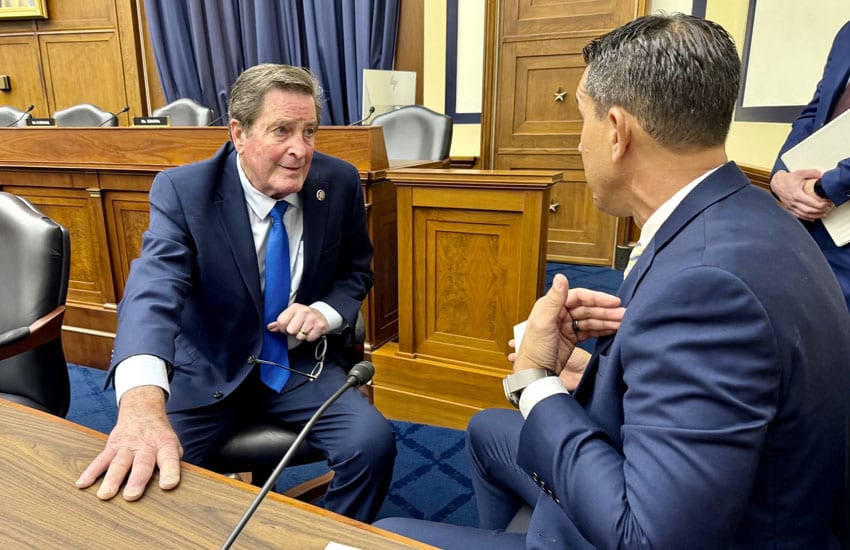
The OHA delegation – Chair Kaialiʻi Kahele, Vice Chair Keoni Souza, Chair Emerita Hulu Lindsey, Interim Chief Administrator Summer Sylva, and I – spent several days meeting with congressional leaders from both parties, members and staff of the House Armed Services Committee and Senate Armed Services Committee, as well as senior Department of War officials at the Pentagon.
OHA’s mission centered on an issue that will shape Hawaiʻi’s future for generations to come: the future of military-leased lands set to expire between 2028 and 2031. Those lands include major installations on Hawaiʻi Island, Oʻahu, and Kauaʻi, including Pōhakuloa Training Area, Mākua Military Reservation, and the Pacific Missile Range Facility.
Those lands – leased by the State of Hawaiʻi to the U.S. military in 1964 for just $1 over a 65-year term – include tens of thousands of acres held in the public land trust, which constitute crown and government lands intended to benefit Native Hawaiians and the people of Hawaiʻi.
At the time those leases were executed, OHA had not yet been established. Today, pursuant to Chapter 10 of the Hawaiʻi Revised Statutes, OHA serves as the state’s principal public agency responsible for Native Hawaiian affairs, including advocacy and trust responsibilities relating to the public land trust and the betterment of Native Hawaiian beneficiaries.
Against that backdrop, OHA’s delegation carried a clear message to Washington, D.C.: that meaningful Native Hawaiian participation in decisions concerning Hawaiʻi’s public trust lands is integral to the trust duties OHA was created to uphold.
Importantly, the conversations in Washington remained focused on shared responsibilities and practical governance. OHA framed the issue as one grounded in constitutional law, state trust obligations and long-term community stability – a framework that appeared to resonate across meetings and offices.
For several lawmakers and congressional staff, the meetings marked their first substantive introduction to OHA and its role within Hawaiʻi’s governmental structure. Delegation members observed bipartisan understanding that Native Hawaiian inclusion in military lease negotiations is not a political question, but a matter of state constitutional responsibility, sound governance, and meaningful community engagement.
The delegation also delivered another firm message: condemnation or any permanent dispossession of public trust lands are unacceptable outcomes for OHA. Any future military presence in Hawaiʻi should proceed through transparent, lawful, and community-informed processes that create the conditions for trust and long-term stewardship to be strengthened over time.
Related themes surfaced publicly during a House Armed Services Committee hearing on U.S. military posture in the Indo-Pacific.
During the hearing, Hawaiʻi Congresswoman Jill Tokuda questioned Admiral Samuel Paparo, commander of the U.S. Indo-Pacific Command, about the importance of meaningful consultation with local and Native Hawaiian communities in sustaining military readiness in Hawaiʻi. Tokuda also underscored that condemnation should not be part of future negotiations over continued military access to leased lands.
Those discussions also began to carry over into broader defense policy deliberations in Washington. Perhaps most significantly, the conversations helped advance discussions around potential language in the National Defense Authorization Act (NDAA) – the annual defense policy bill that shapes defense priorities, budgets and operational directives. Among the concepts being explored is language that would expressly acknowledge OHA’s role and responsibilities in negotiations involving military-leased lands in Hawaiʻi.
The delegation also addressed another urgent concern facing Native Hawaiian communities: federal funding uncertainty and the potential impacts on Native Hawaiian programs and services. Meetings with Hawaiʻi’s congressional delegation included discussions about safeguarding critical resources that support Native Hawaiian communities.
OHA leaders also continued advocacy related to long-awaited public land trust funding for OHA – efforts that helped elevate awareness around the issue and support passage of legislation authorizing $55 million for the agency during the closing days of the state legislative session.
The measure now awaits the governor’s signature.
Even as OHA addresses pressing fiscal and policy challenges, leaders acknowledge that longer-term work surrounding Hawaiʻi’s military leases and public land trust is only beginning. To help inform that work, OHA assembled a Technical Advisory Group composed of community, cultural, legal, environmental, and policy leaders with diverse perspectives and expertise. The group is guiding OHA’s policy development, negotiation strategy, and engagement efforts as discussions with the state and federal government move forward.
The decisions made over the next several years will shape not only the future of military presence in Hawaiʻi, but also the stewardship of lands deeply tied to Native Hawaiian identity, history and long-standing interests in how those lands are governed and cared for.
For OHA, the significance of the trip to Washington extended beyond politics or policy.
The trip itself marked an important step in establishing the kind of sustained Native Hawaiian engagement OHA believes must continue as future lease negotiations move forward: meaningful Native Hawaiian presence and participation in the rooms where these decisions are being made and at the tables where their terms are negotiated.