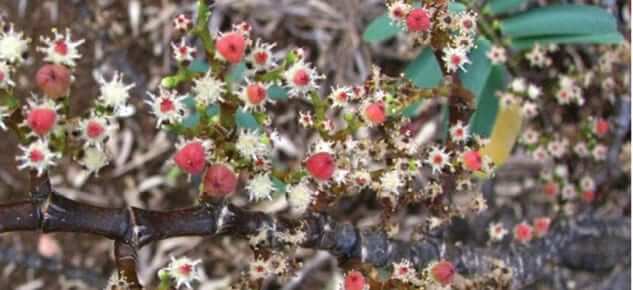
You know how, when you pick pua melia or pua kalaunu to fashion lei, you must be mindful about their wai pipili ʻino, their poisonous sap? Our endemic ʻakoko also leak milky sap when scarred, and while foul-tasting, we donʻt understand much about their toxicity. Hawaiʻi is home to about 17 endemic species of the family Euphorbia. Those are named ʻakoko (Euphorbia spp.), some say because seed capsules of some varieties are dark red, resembling drops of blood (koko).

As with many other meakanu ʻāpaʻakuma (endemic plants), we recognize a great deal of variability of our ʻakoko, from lava- or sand- hugging groundcovers, to shrubs, to small trees; many preferring homes in arid places, where dry grasses threaten fire, and potential death of our plants that are not fire-adapted. Unfortunately, endemic birds and invertebrates also suffer dire consequences.
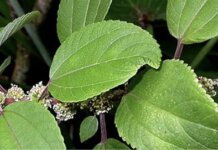
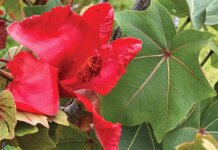
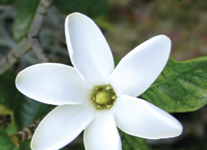
Other familiar Euphorbia relatives include kukui, croton, cassava, castor bean, and poinsettia, some with clear, and others with milky, sap. Many of us know that kukui has medicinal uses, and so, too, with ʻakoko. But e akahele! Kahuna lāʻau lapaʻau compounded (mixed) recipes of specific parts of various plants and understood their usefulness.