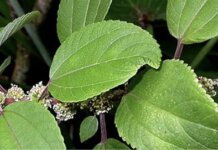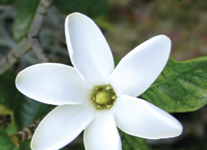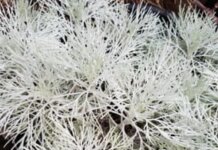

Kokia cookei and Hibiscus arnottianus ssp. immaculatus. Hau hele ʻula is the genus, and kokiʻo is the species of Kokia cookei. Kokiʻo keʻokeʻo is Hibiscus arnottianus ssp. immaculatus.
Relationships are complicated. Terminology is important. Aunty, uncle, cousin, tūtū, hānai, makua (kāne or wahine). Lineal descendants, those relations in straight uninterrupted lines of genealogy, as in your kūpuna. “I am a Lineal Descendant of [fill in the name].” Those with ancestral ties to ʻāina, with relatives unnamed and unknown. “My family has lived at [fill in the name] for X generations.”

Plants, too, have complicated genealogies. Where are they found? Where did they come from? To whom are they related? When and how did they get here? These days, with help from geneticists, we can learn how groups of people, plants, or any thing living are related.
On Molokaʻi live two lāʻau kamaʻāina. They are in fact cousins, and are meakanu ʻāpaʻakuma. Both are endemic to Molokaʻi, and are found nowhere else naturally. Both are extremely rare in the wild, and one, Kokia cookei is likely extinct there, but survives cultivated. The other, a pure white, scented hibiscus, clings naturally to life in just a few locations. Sad, but all too true these days. Degraded habitats. Invasive species such as fire-hardy alien grasses, plant-munching deer, pigs, goats, all contributing to deadly population loss.
Please. Do your part to encourage their survival. Ask around for legally acquired keiki. Plant them. Nurture them. Cherish them.