
Along with olonā, ʻopuhe, Hesperocnide, endemic nettles all
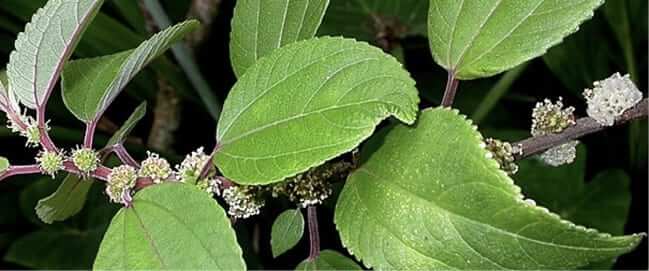
Got tea? Need tea? One of our most used and useful lāʻau, māmaki (Pipturus albidus), is mostly made into tea “for what ails you.” A general tonic, hot, warm, cold. Available in lots of markets.
When I was coming up as a naturalist in the 70s, Bill Mull was a mentor. He and his wife, Mae, “retired” to Volcano, where he embarked on a second career as a naturalist photographer. Spectacular closeups of the wonders of Native Hawaiian endemicity: spiders, tree snails, cave invertebrates, all were lovingly and passionately captured on film.
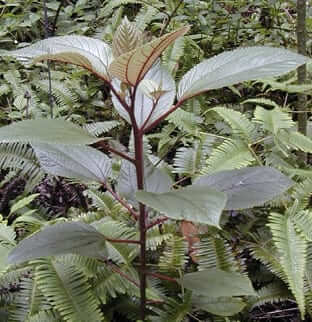
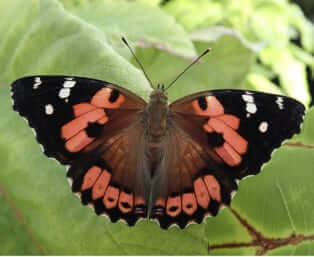
On walks, he often referred to nettleless nettles, mintless mints, pred-leps (carnivorous caterpillars), and our famed happy-face spiders. Māmaki, a Hawaiʻi version of stinging nettles found on the continent, doesnʻt sting. Rather, it provides us with tonic tea, with ripe, white fruits rubbed into the mouths of babies to ease ʻea (thrush), and with food for peʻelua pulelehua Kamehameha (Kamehameha butterfly caterpillars).
As with many lāʻau ʻāpaʻakuma, māmaki is variable: lau soft, pale green and sandpapery, or sturdy, glossy, dark green with red veins, or … and some are monoecious (separate male and female flowers on the same plant – see pictures) and some dioecious (separate male and female plants). Sometimes stem fibers were a constituent of kapa, especially in ʻŌlaʻa on Hawaiʻi. Shrubs or small trees grow in the open or in subcanopy dappled shade.
, is mostly made into tea “for what ails you.” A general tonic, hot, warm, cold. Available in lots of markets.)