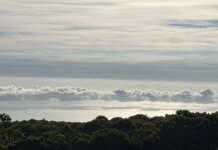

Hahai nō ka ua i ka ululāʻau. The rain follows the forest, the forest follows the rain, and the birds follow them both. Temperature and rainfall, the two foundations of climate, shape the vegetation of an area and in turn, designate which forms of nature may endure.
This year, over 40% of Hawaiʻi is abnormally dry, and conditions are expected to worsen as drought becomes more frequent and intense. Some places, like the leeward slopes of Maunakea, have weathered these dry spells for too long. The mountain has faced widespread deforestation, the loss of native vegetation, and the long-lasting impact of grazing ungulates. Yet even in the face of so much change, these forests remain abundant.

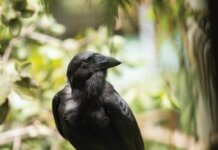
Within the kualono of Maunakea’s western slopes, resilient pockets of māmane-naio forest still cradle the last wild population of Hawaiʻi Islandʻs endemic Palila, the finch billed honeycreeper.
Only about 500 birds remain. Their steady survival is linked to isolated moisture-rich refuges, pockets of veiled forest where the kēhau mists and nāulu rains sustain growth even in the driest years. It is here where Kaʻohe, the ahupuaʻa that encompasses all of Maunakea, still resounds each year with Palila songs.
Rehabilitating and expanding these refugia will help buffer the remaining population against enduring drought and safeguard Palila’s ancestral home. Ola i ka wai a ka ʻōpua, from the water of the clouds, life continues.