
By Kamakana Ferreira and Leināʻala Ley
Since the passage of Hawaiʻi’s burial protection laws in 1990, The Office of Hawaiian Affairs (OHA) has steadfastly advocated for the protection of iwi kūpuna through enforcement of Hawaiʻi Revised Statutes (HRS) Chapter 6E and meaningful consultation with descendants and communities.
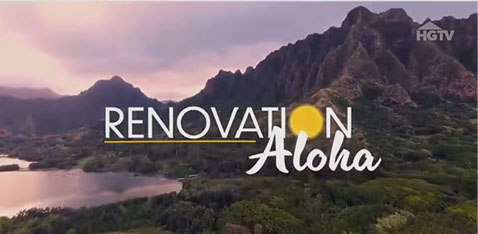
On April 14, HGTV’s Renovation Aloha disregarded both these laws and deeply rooted cultural values by broadcasting footage of iwi kūpuna interred within a burial cave on Hawaiʻi Island. Uncensored clips depicting the iwi were also widely circulated across social media platforms.
Under rules implementing HRS Chapter 6E, photographing or examining iwi kūpuna is strictly prohibited without the consent of Island Burial Councils which provide cultural expertise to the state and ensure the voices of lineal descendants are heard.
These protections are grounded in Native Hawaiian beliefs that iwi kūpuna should never be exposed to light – mai kaulaʻi i nā iwi i ka lā – as they are meant to remain in Pō.
As required by law, the disturbance was reported to both the Hawaiʻi Police Department and State Historic Preservation Division (SHPD), the agency responsible for administering Hawaiʻi’s burial protections.
However, it was only after SHPD pursued legal action and secured a temporary restraining order (TRO) that subsequent episodes were edited to remove images of the iwi from rebroadcast. OHA remained in communication with SHPD throughout the matter.
This type of desecration can be prevented through direct consultation with SHPD during the permitting process, and OHA urges all members of our community to familiarize themselves with HRS 6E requirements. Currently, it’s unknown to OHA whether the Renovation Aloha team obtained proper permits to proceed with work and filming on the parcel where the burial cave was found.
However, when consulted, SHPD will often require a survey ahead of construction work in high-risk areas with lava tubes, sand dune systems, or other known indicators of burial sites to identify them in advance. Further, archaeological or cultural monitoring is often recommended in high-risk areas as surveys rarely cover a project’s full footprint and a knowledgeable archaeological or cultural monitor on site can help prevent “accidental” disturbance.
With due diligence, accidental disturbances can be readily avoided and our ancestors left to rest in peace.
If you encounter exposed iwi kūpuna, immediately contact your county police department and SHPD. OHA also remains available as a resource, although it does not have authority to enter private property or to directly enforce HRS chapter 6E in the field.
Under the law, however, any entity – including private individuals – may seek a TRO to prevent imminent harm to iwi kūpuna. OHA can also assist beneficiaries with issues related to access across private property to mālama registered burials, the burial registration process, applications for island burial councils, and other rights tied to the protection of iwi kūpuna.
Our collective voice is strongest when united. Ola Nā Iwi!
Kamakana Ferreira is OHA’s Compliance Archaeologist and Leināʻala Ley is OHA’s Chief Advocate.


 has steadfastly advocated for the protection of iwi kūpuna through enforcement of Hawaiʻi Revised Statutes (HRS) Chapter 6E and meaningful consultation with descendants and communities.)