Part Two of a Two-Part Series
By Hannah Kihalani Springer and Kara Dumaguin
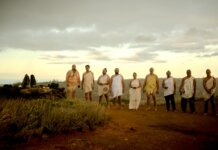
Our Tūtū Isaac Kīhe wrote moʻolelo of Kaʻūpūlehu for Hawaiian-language newspapers, sharing accounts of the people, places, and histories of this ʻāina.
In reading his moʻolelo, we see how deeply connected people and place are. The ʻike kūpuna carried through these accounts continues to inform how we understand Kaʻūpūlehu and the kuleana we carry today. It also informs our experience with co-management.
Hui Kahuwai is a nonprofit organization involved in mālama ʻāina efforts at Kaʻūpūlehu. Our fisheries management work has involved research, monitoring, planning, and collaboration with the State of Hawaiʻi.
As we have worked through the development of a fisheries management plan, we’ve come to understand that co-management asks us to examine our own responsibilities alongside those we share with government. What is Hui Kahuwai’s kuleana?
How does that relate to the ʻohana whose histories are rooted in Kaʻūpūlehu? And how do we honor those relationships when decisions are considered with the state?
One lesson emerging is what we mean by community in co-management. At Kaʻūpūlehu, lineal descendants, families with longstanding pilina to place, the Kaʻūpūlehu Marine Life Advisory Committee (KMLAC), and Hui Kahuwai have connected histories and responsibilities, though their roles are not necessarily the same.
As a nonprofit, Hui Kahuwai has had to examine our relationship with KMLAC and Kaʻūpūlehu ʻohana, whose kuleana to this ʻāina extends beyond any organization. This matters when working with government, because decisions about marine resources must be informed by the ʻike, manaʻo, and responsibilities of those connected to place. We are learning to be clearer about our role in those conversations and how the people who carry this kuleana are involved.
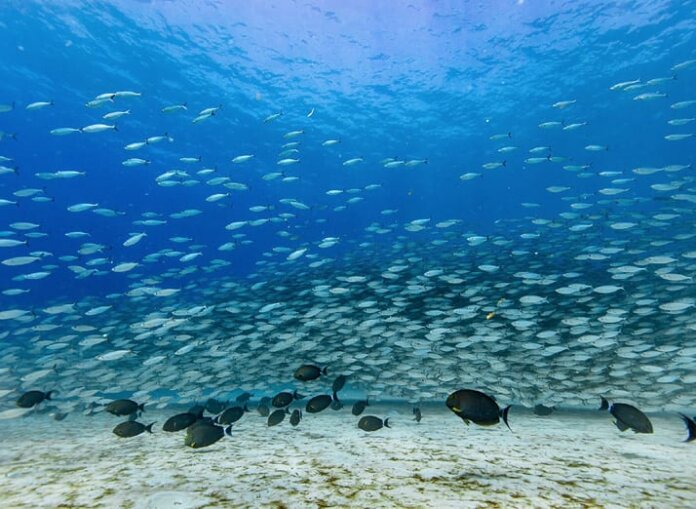
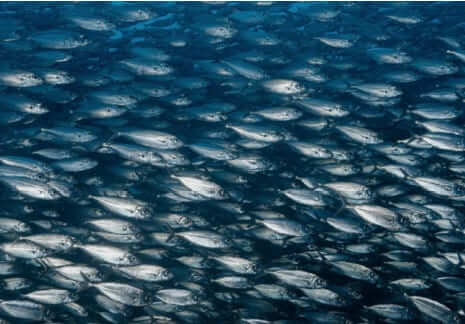
We’ve also been reflecting on the progression from halalū to akule. As the fish grow and mature, they continue to move together as a school. That collective movement is part of every stage. We see something of our experience with co-management in this.
The fisheries management process has evolved through years of monitoring, kūkākūkā (discussion), and planning, bringing new responsibilities and questions along the way. As the work progresses, our ways of communicating and making decisions must also grow. At every stage, we need to remain attentive to the pilina among those carrying the work. The advancement of a management plan matters, but so does how we move together throughout its development.
Another lesson has been understanding what meaningful participation requires. Meetings, consultations, and opportunities to share manaʻo are part of fisheries management, but participation also depends on when people are brought into conversations, what information they receive, and how their contributions influence decisions.
We have been examining these questions as we work with the state and within Hui Kahuwai. Kūkākūkā takes time, particularly when decisions affect ʻohana whose relationships with Kaʻūpūlehu span generations. Keeping people informed and creating opportunities to consider proposals together are responsibilities throughout the work.
Co-management also brings together different responsibilities and timelines. Government agencies have legal obligations for managing public resources, while Kaʻūpūlehu ʻohana carry kuleana rooted in their relationships to place. Government processes do not always align with the time needed for kūkākūkā among ʻohana.
We are learning that these differences require patience, communication, and a willingness to work through questions together. Tending to pilina within Kaʻūpūlehu is as important as the relationships we maintain with government agencies.
Sustaining mālama ʻāina also requires time and commitment. Monitoring marine resources, reviewing information, participating in meetings, and keeping ʻohana informed are carried by people whose aloha for Kaʻūpūlehu has sustained their involvement over many years. As co-management responsibilities evolve, we need to consider what support is necessary for people to continue participating and carrying the work.
As Hawaiʻi explores the opportunities made possible through Act 203, we hope our experience at Kaʻūpūlehu contributes to the conversations ahead.
We continue to examine how responsibilities are understood, how ʻike and manaʻo are carried into decisions, and how we maintain pilina throughout the process. Tūtū Isaac Kīhe’s moʻolelo ground us in the relationships between people and ʻāina, while halalū and akule remind us that growth and moving together happen throughout the journey.
Both are part of how we understand the kuleana of co-management at Kaʻūpūlehu.
Hannah Kihalani Springer is a kamaʻāina of Kaʻūpūlehu who has held a variety of volunteer, elected, and appointed positions in Hawaiʻi Nei. A child of active Hawaiian Civic Club members and a steadfast advocate of civic engagement, she and her family garden and raise livestock and native dryland forest plants at their ʻāina aloha, Kukuiʻohiwai, at Kaʻūpūlehu ma uka.
Kara Dumaguin is program director for Hui Kahuwai and has been part of the hui’s work at Kaʻūpūlehu for many years. Her work is grounded in pilina, kuleana, and a commitment to mālama the relationships between people and place.